From Digital Camera World – 24 of their most popular photography cheat sheets

Get quick access to lots of useful tips to improve your photos, from the cheat sheets of Digital Camera World, with credit to my sister for passing me the link. They include:

1. 54 portrait ideas: Free downloadable posting guide
2. 6 simple lighting set-ups for shooting portraits at home
3. Free f-stop chart: Master your aperture
4. Free family portrait photography cheat sheet
5. How to use a histogram – photography cheat sheet for achieving perfect exposure
6. Portrait photography cropping guide
7. Free wedding photography cheat sheet
8. Understanding the color temperature scale: Free photography cheat sheet
9. Free portrait lighting cheat sheet
10 Metering mode cheat sheet: how they work and when to use them
11. How to pose for photos: Find the most flattering angles for you and your subjects
12. What is exposure compensation: Free cheat sheet for photographers
13. Full-frame sensor size explained: How to exploit its advantages for pro-quality pictures.
14. How to calculate hyperfocal distance: Free photography cheat sheet
15. What is ISO: Camera sensitivity setting (and the best ways to use them)
16. Free night photography exposure guide: Best camera settings for popular subjects
17. Home studio setup: 6 things every photographer needs
18. Best shutter speeds for every situation
19. Using apertures: When to go small and when to go wide
20. What is flash sync? Your flash modes and when to use them
21. Autofocus point options: What subjects should each be used with
22. What your camera captures at every focal length
23. 3 ways you can affect depth of field: Photography cheat sheet
24. The landscape’s greatest challenges: Free photography cheat sheet

Check them out here , and share your own tips in the comments section below.

From Shutterstock – Protecting Your Content

Shutterstock has just published an excellent guide to protecting your intellectual content. They address:

Copyright
Licensing
Trademarks
Releases
Editorial images

A great way to quickly get up to speed on these terms and protect your intellectual content. Download your copy here

From DPS – Ten go to editing tips for using photoshop

From the folks at Digital Photography School, some quick photoshop tools that might save you lots of time. They discuss:

1. Duplicating layer masks for other adjustment layers

2. Adding a curve adjustment layer with a difference

3. Dodge and burn

4. Layer comps

5. Stamp visible

6. The “place” command

7. Patch tool

8. CMD+T or Transform

9. CMD+T+Warp tool

10. Opening second window for the same document

Learn more about how they use these time saving tools here and share your favorite photoshop tips in the comments section below.

Shooting stock photos – around Ann Arbor

This week I had some time to take a few stock photos around Ann Arbor. I have a long list of possible photos I think would be good to take, so when I have some time I can check my list and see what I feel like taking. This week I focused on some companies headquartered in Ann Arbor, the Ford Presidential Library, and people getting off the bus at a commuter lot nearby.

What I did right:

– Had the list of potential photos in the first place, so I could quickly get a set to focus on. Ford library has been on my list for over a year, I knew I wanted the sun on the front of the library, but not too bright or the contrast would be too much. That afternoon was pretty good for that.

Ford Library
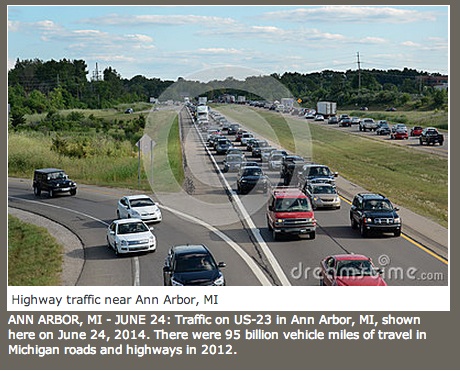
– Looked for other opportunities as they came up keeping national issues in mind, such as the traffic jam that I could see as I waited at the commuter lot.

Highway traffic
I again started with making sure my ISO was at 100, since I was outside on a nice day, set the white balance to sunny (with change to cloudy as needed), and used shutter speed priority with 1/250 or higher. As I took the shots I checked whether I had to make adjustments to the exposure to span the full histogram and not cut out darks or bright whites.

What I should have done differently:

– Looked up the bus schedules, so I didn’t waste time waiting for buses that didn’t arrive… Didn’t even think to go inside the bus shelter, where the schedule was displayed. I found that out the second afternoon I went, having just missed the busiest bus the first afternoon…

In cleaning up the photos there is not much to do since I had good settings to start with, so mostly focused on a good caption and good keywords. I have submitted them, we’ll see how they do…

PS Update – Shutterstock took some of them, not all, but I liked them enough to submit to others, you can see Dreamstime took the highway one.

From DPS – How to Master Your DLSR in One Afternoon

Digital Photography School has another great article for beginners, this one gives an introduction to

ISO
Aperture
Shutter Speed

These are the three components that determine how much light gets into your camera, and discusses each component’s effect on other factors such as focus area, noise, and focus, with good examples.

Read it here

Shooting stock photos – Roller Derby game!

Last Friday I attended an event I’ve wanted to attend for a long time, Roller Derby! The Ann Arbor Derby Dimes are a terrific organization that fields three roller derby teams. Last Friday they had a meet with two matches.

Here’s what I did to prepare for the event:

– Read the organization website to learn more about them
– Read the rules of roller derby so I’d have a better sense of how the game works. You can get a quick sense of it in this YouTube video .
– Contacted the team to ask for permission to take photos. I didn’t hear back from them and as it is I had a conflict that first night I planned to attend, so I ended up just showing up at their next event, last Friday.
– Did a search on photographing roller derby events to get some tips. The ones that stood out included:
– Use very high ISO for the terrible light conditions
– Use very quick shutter speeds to freeze motion
– Try focusing on a place on the ground and shoot when
the pack gets to that spot so you don’t lose time focusing.
– Don’t take photos of anyone who get seriously hurt
– Take photos of everyone, rather than focus on just the jammer.

OK, then I was ready to go. I went to the site, paid for my ticket, and explained that I was a stock photographer and was interested in taking photos, and shared my policy: I send them the photos first, and only submit them to stock agencies if I get their permission in writing after they see the photos. I also assured them that I would not use any photos that would be disrespectful.

The team members couldn’t have been more welcoming! They seemed very pleased at the attention. They even said I could eat from the volunteer refreshments table if I wanted to, though I didn’t take them up on that offer, I didn’t want to make the players uncomfortable during their breaks, and I wasn’t sure if the photos would turn out OK…

Then the game started, and what a great display of athleticism and sportsmanship! Here’s what I did right:

– Brought my business cards, which gave me greater credibility as a professional.
– Checked my photos frequently and adjusted ISO, shutter speed, and exposure as needed. This is called “chimping” by the way…
– Wasn’t afraid to go to high ISOs
– Took photos of more than just the players, to include many of the volunteers
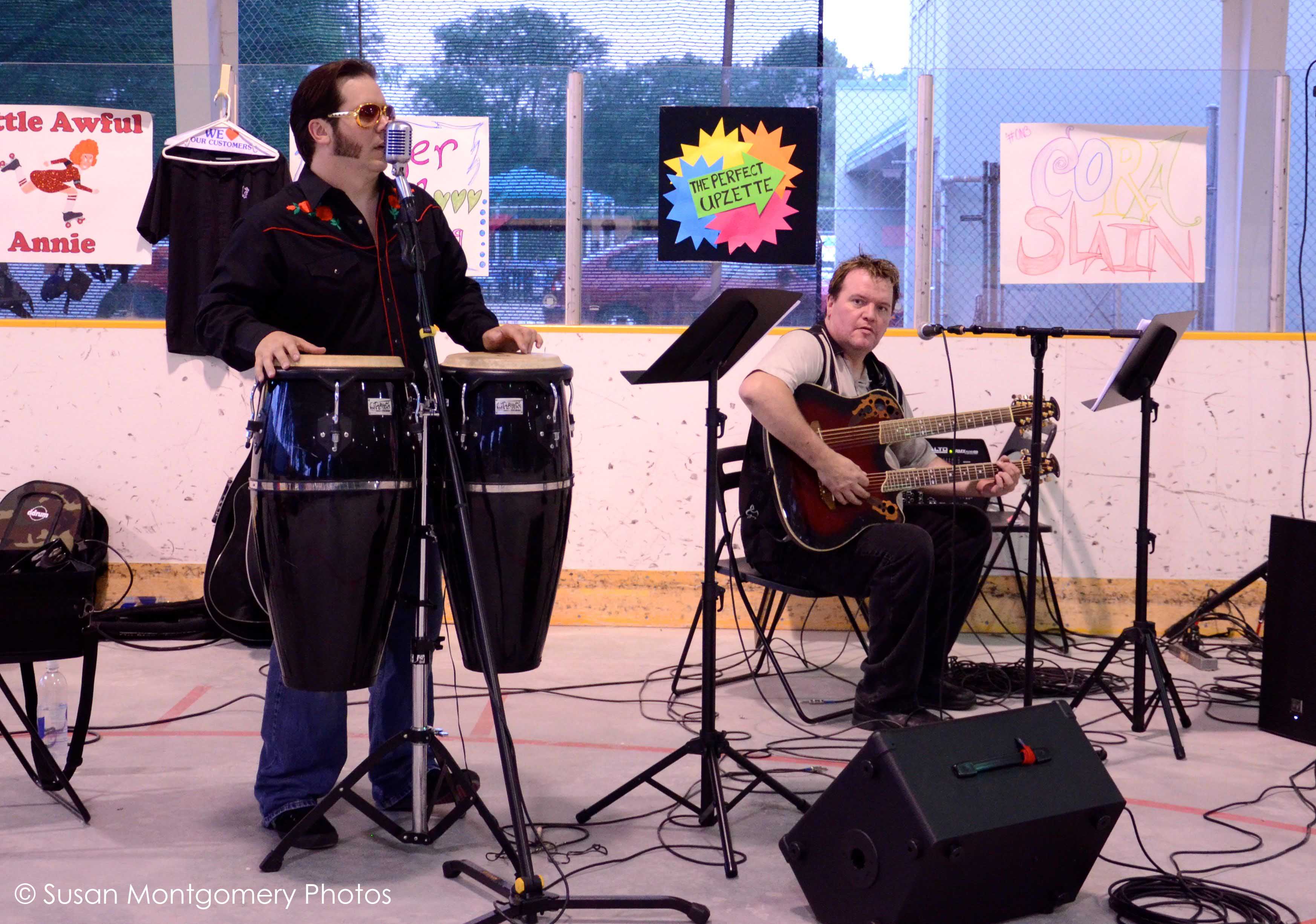
– Agreed to take photos of the entertainment, Devil Elvis when the lead singer asked for photos for their website.
– Used the “continuous slow” setting to get many photos of the action, but not so many that my card fills up too quickly.
– Respected all rules and stayed out of the way of everyone.
– During pauses in the action I erased photos that I could tell were terrible. Even with that I ended up with over 800 photos…
– Let the photos sit for a couple days because when I first looked at them all I could see were the mistakes. Going back after a few days more objectively I could see that there were some good shots in there…
– Edited down photos like a mad woman to get to the money shots.
– Use the noise filter in Photoshop to remove some of the noise that invariably was there with such high ISOs…

What I would do differently next time:

– Clear out my photo cards before the event. I had photos still in there from another event, should have cleared them to my laptop and erased them so I didn’t have to worry about limits on memory…
– Move to the other side of the track for the second game. The first game I aimed at the wall at one end because all three other sides were open and light was very bright, which would lead to blowouts. However, after the sun set the area near that wall was very dark, which made for some very dark backgrounds for those photos… Have to be more mindful of changing photo conditions throughout the event.
– Asked some of the other photographers what settings they were using. I was too shy to do it, and likely would have learned a lot by taking to them, lost opportunity…

Here are some of the first photos I have processed:

Ann Arbor Roller Derby, defensive preparation - Shutter speed priority, ISO 3200, 1/500 sec
Ann Arbor Roller Derby, defensive preparation – Shutter speed priority, ISO 3200, 1/500 sec
Ann Arbor Roller Derby -  Jammer super move - Shutter speed priority, ISO 3200, 1/500 sec
Ann Arbor Roller Derby – Jammer super move – Shutter speed priority, ISO 3200, 1/500 sec


Devil Elvis, half-time entertainment


I was so very impressed by these athletes, what a terrific evening! I’ve sent them some sample game photos, I’ll post an update after I hear from them and (I hope) get to post some on stock photo websites.

July 16 update – Heard back from the team, they loved the photos, are going to use them in their advertisements, and they have invited me back as a guest to their next match, I’m thrilled! Still waiting on official permission to take the shots, so not submitting anything to the stock agencies yet.

August 28 update – Permissions all ironed out and approved by Shutterstock, photos submitted and approved so far are here .

Shooting stock photos – Detroit solo photo day

Had a great day in Detroit Sunday, spent much of the afternoon taking photos. Here’s what I did:

To prepare I saw what photos already existed, looked through Things To Do in Detroit, and through FourSquare found this great list of Historic Areas of Detroit. I also looked up companies with headquarters in Detroit and noted their addresses.

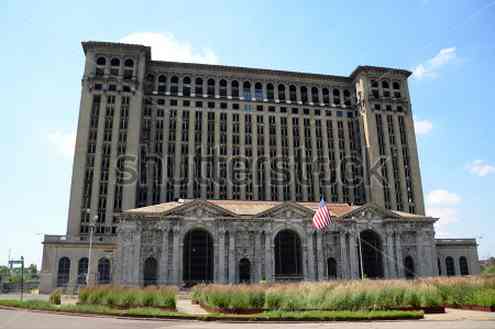
Then, with a general sense of what I wanted to get, I set off, stopped at the Uniroyal tower on the highway and took some shots of the abandoned Detroit Central Depot, walking around trying different angles, etc. until I got one that worked:

Central Depot Shutterstock

It was great to be flying solo today so I could take as much time as I wanted and try different angles.

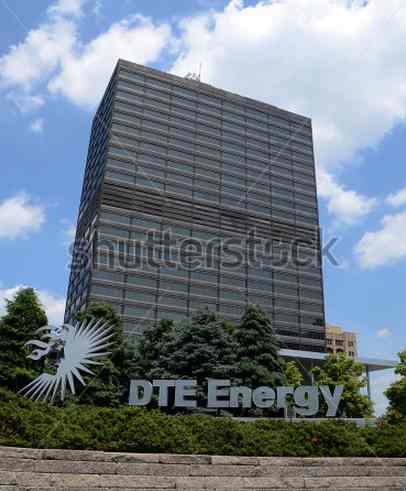
Drove toward downtown, spotted some casinos, and headquarters of DTE Energy:

DTE Energy Shutterstock

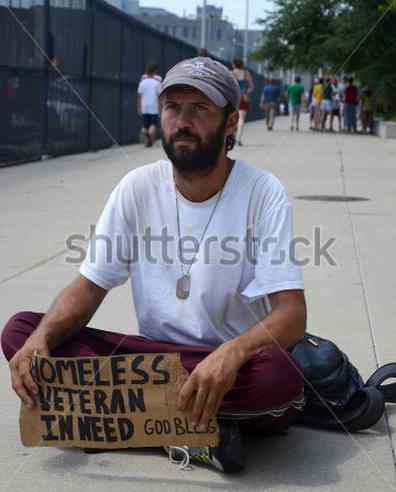
I then spotted Cass Tech high school and stopped there, where I met Burt, a homeless man who accepted my offer to take some photos of him in exchange for $5. We had a nice chat, I emailed him his photos – he mentioned he had not checked email in over a year…

Detroit Burt

Kept heading downtown and parked near Campus Martius park, found my bearings and decided on a walking path that would take me to Hart Plaza, the River Walk, Greektown, and back to Campus Martius. Lots of nice photos, though I wish there had been more people around to make it livelier…

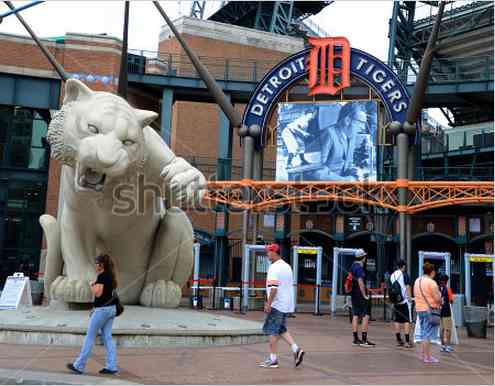
I drove on to the Fox theater / Comerica park area, got some photos there. By then it was after 4 pm, but the game wasn’t until 8 pm, so not that many people around, had to wait a bit to get some folks in this photo:

Comerica Shutterstock

Then over to Ford Field, and while I was there a fellow asked me to take his photo – I obliged, he gave me his email address and I sent him the photos, why not?

Ford Field fellow 1

I was going past the Detroit Opera House when it was letting out a matinee performance, so got some shots there, then called it a day, I was tired from all the walking!

I took 216 shots altogether, resulting in 41 photos submitted to Shutterstock, and 39 acceptances! To see all the photos, visit  my Shutterstock site

What I did right:

– Good planning so I had some sense of what I wanted to catch, but left myself open to serendipity. A general check-list but no strict to-do list, since I live nearby and can drive in another day to catch remaining ones.

– Generally good camera settings. Again went with ISO 100 and shutter priority with 1/500 shutter speed, adapting as needed. I increased ISO in shady areas, changed exposure to make sure my histogram was squarely within the range and I wasn’t cutting off blacks or blowing out whites.

– Comfortable walking shoes, I was exhausted from all the walking…

– Was friendly and cordial, took photos of those who asked, chatted with people who asked questions, and if folks wanted me to send them photos I did. Some just asked to have their photos taken and then just walked on happy…

– Went early on a Sunday, so free parking was plentiful.

What I’ll do differently next time:

– For a different set of photos I’ll go at a busier time or to an event in Hart plaza, to catch it at a livelier time.

– Bring my water bottle with me. I filled it up and left it in the car…

Overall a wonderful day, just me and the camera and all the time in the world…

Susan

From PictureCorrect – Eight Worst Habit of Beginning Photographers

Another great list, this one from PictureCorrect, of what not to do:

BAD HABIT #1: SHOOTING IN BRIGHT DAYLIGHT (need to avoid harsh shadows)
BAD HABIT #2: SHOOTING JPEG (though I do it…)
BAD HABIT #3: CENTERING THE SUBJECT (reminder of rule of thirds)
BAD HABIT #4: SHOOTING FROM EYE HEIGHT (so many angles you miss out this way)
BAD HABIT #5: IGNORING THE BACKGROUND (you saw this in my 4th of July entry)
BAD HABIT #6: TAKING COMMONPLACE SHOTS (that’s been fun, getting creative)
BAD HABIT #7: HAND-HOLDING EVERY SHOT (though I’m learning to get away with it)
BAD HABIT #8: TAKING ONE SHOT (definitely, don’t take the shot, make the shot)

Check out the details at PictureCorrect.

From Shutterstock – Things to keep in mind when shooting stock

Shutterstock’s blog has a great infographic of things to keep in mind when shooting photography for commercial purposes. They address copyright, trademark, editorial, releases, and credentials, and end with a checklist, and an option to download a guide to protecting your content.

Check it out here

From DPS – 5 Photoshop Tools to Take Your Images From Good to Great

From the folks at Digital Photography School, 5 very quick and easy to understand tools that will get your photographs that “pop”. They discuss the following tools:

– Shadow and Highlights
– Levels
– Color balance
– Hue and saturation
– Vibrance

which are pretty much the tools I use most of the time. Check them out here

Shooting stock photos – 4th of July parade

Shot stock photos at Ypsilanti’s 4th of July parade, I just love 4th of July parades, I get all sorts of emotional and patriotic…  Here’s what I did right and what I’ll do differently next time:

– I researched the parade route, figured out a good place to park, got there early, played with camera settings. Went with ISO 100 since it was a nice sunny day, shutter priority with my shutter speed at 1/500 to ensure good focus.

– I used my 70-300 mm zoom camera to get close-ups but when I look at my photos few went beyond 100 mm, and you’ll see I missed some good shots because I couldn’t zoom out enough.  Next time I’ll stick with my 18-105 mm lens.

– I wanted to get some shots with the iconic Ypsilanti water tower, so I placed myself on the right side of the road and I did get some nice shots with the tower:

Fire department truck at Ypsilanti 4th of July parade 2014

but being on that side of the street also meant that I ended up with more commercial logos in the background than I wanted on the close-ups:

Save the bomber plant supporters at the Ypsilanti 4th of July  parade, 2014.
Save the bomber plant supporters at the Ypsilanti 4th of July parade, 2014.

Luckily I was able to catch them after the parade and got a nice photo with the water tower in the background:

Save the Bomber Plant supporters at the Ypsilanti 4th of July parade, 2014

I was very nice and smiled and waved to everyone, and they waved back and would pause to get their photo taken:

Omega Psi Phi group at Ypsilanti 4th of July parade, 2014.

Here’s where my zoom lens was a mistake, next time like I said, 18-105 mm…

Got some good shots of the Ypsi cheer team:

Ypsilanti High School cheer team at the Ypsilanti 4th of July parade 2014

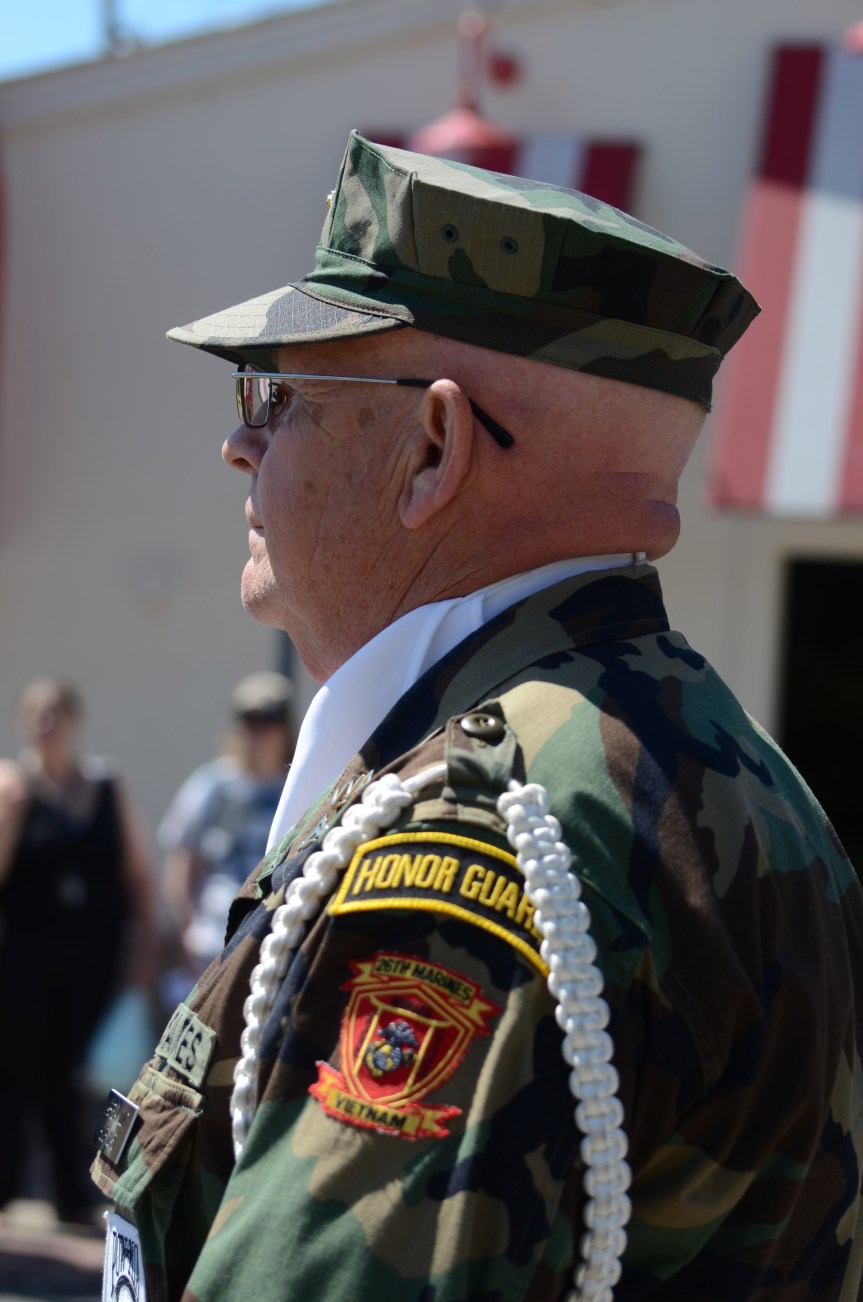
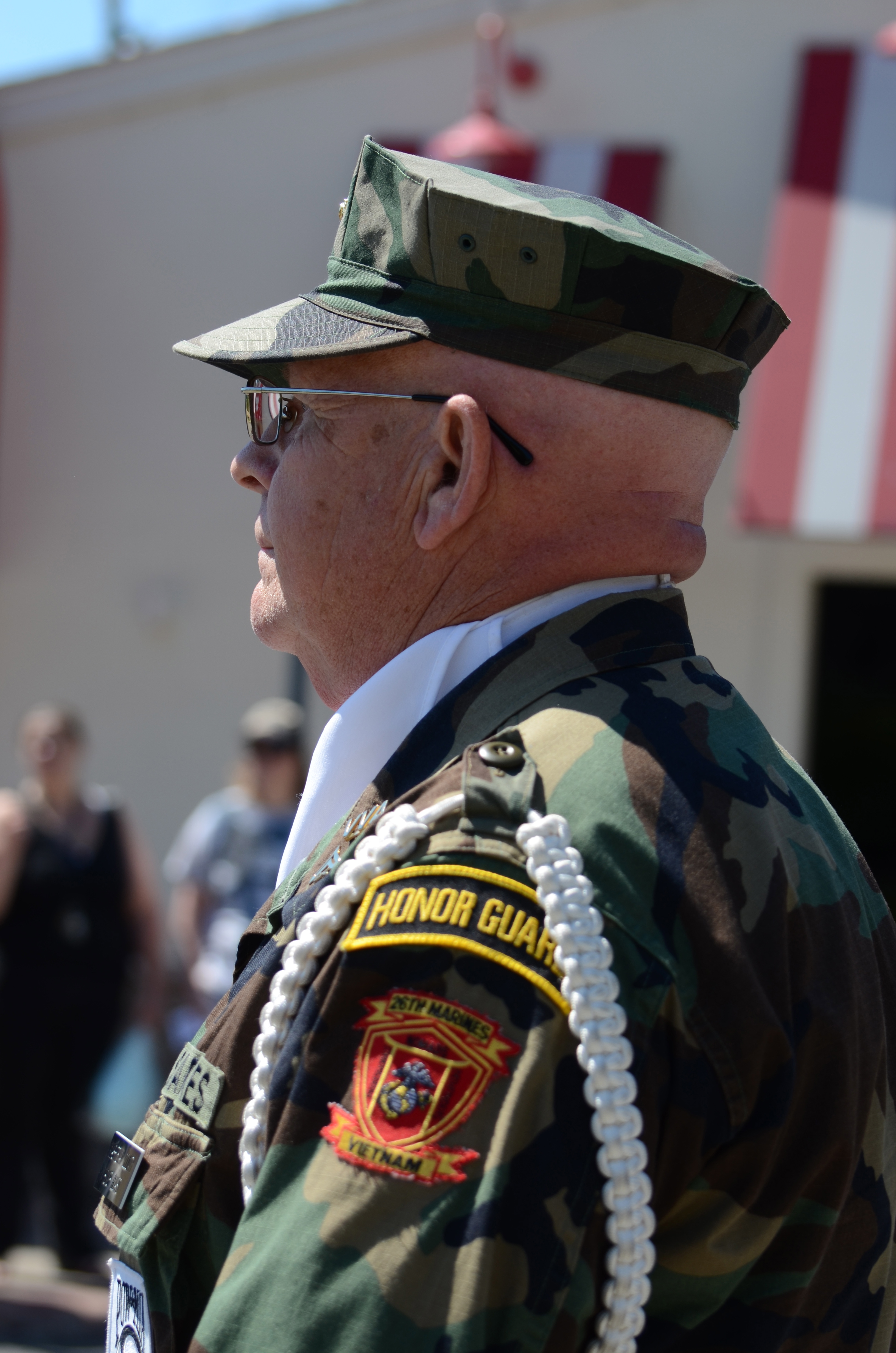
and of veterans:

Vietnam veteran at Ypsilanti 4th of July parade, 2014

Even this quite close-up one was only 70 mm, so I clearly didn’t need the zoom, should have switched back earlier…  Live and learn…

People will give you every chance to give you a nice photo. This was my 4th try at this guy, other participants kept getting in the way:

Parade participant at Ypsilanti 4th of July parade, 2014

again, though, note the crowded background – next time, other side…

Having gained confidence from people wanting to have their photo taken, when I was not happy with my shots of Debbie Dingell, who is running for her husband’s position in the US Congress, I ran ahead and tried again and asked “Mrs. Dingell, can I have a photograph?” and she paused for me:

Debbie Dingell at the Ypsilanti 4th of July parade

Note I was on the other side of the street with trees in the background… I’ll go with this angle next year…

So to recap:

– What I did right:  Good research, good camera settings (ISO 100, shutter priority at 1/500), good shots with iconic water tower, friendly attitude, nice close-ups.

– What I’ll do differently next year:  Alternate to other side of street for cleaner background, go with 18-105 mm lens.

That’s the thing with photography, always learning… I’ll process the photos tonight and will report back on Shutterstock results…

Susan
PS All the ones I submitted got accepted! You can find the collection here.

Shooting stock photos – family vacations

Recently I wrote up a post about on shooting stock photos while on a business trip. For a family vacation the preparation might be the same, but execution is quite different for me. I recently had a week-end “Up North” in the northeast part of Michigan, including a day at Mackinac Island, with my boyfriend. My approach is different for personal vacations with families:

I don’t worry about getting the perfect shot – Sure, it’d be great from a photography perspective to stay at that location 20 more minutes waiting for just the right shot, but I just can’t see making my loved ones have to wait… I got a pretty decent shot of the main street in Mackinac Island, and that’ll have to be good enough. As supportive as he is to be willing to wait, I wanted the week-end to be about us.

I don’t stress out if I miss some key locations – I let serendipity drive my vacations sometimes and who knows, there might be some new photo opportunities there…

I might have to skip the solo photo excursion – Sometimes I’ll have the option because of what others want to do to have a few hours to go off on my own and get those shots but with a small group and short amount of time I go with the flow and capture what you can along the way.

I focus on making memories – Sure, it’s tempting to invest in a water-proof case and take shots of family during an upcoming white water rafting trip, but I know if I do that I’ll focus more on getting the right shot and not on enjoying the experience to the maximum with my sons. I’ll just buy the photo the outfitters will provide, which will likely captures the experience better than I will ever be able to.

Overall, I try to remember that I am on vacation to get closer to my family and make memories, they did not sign up to tag along on my photo safari. I figure I get a lot more support from my family for my photo career if it doesn’t intrude on our family time.

I’ll be processing these photos soon – I’ll update this post when they are published.

I can imagine others would disagree with my philosophy, would love to hear your thoughts in the comments.

Shooting stock photos – business trip to Indianapolis

I traveled to Indianapolis on a business trip and took advantage to take some stock photos. Steps I took to prepare:

Made sure my equipment was ready – Camera lens clean, battery and back up batteries charged, lots of space in the memory cards

Searched for stock photos of Indianapolis – It was clear folks had done a great job of skyline photos, so no need to do those, got some ideas for others.

Searched online for popular Indianapolis sites – Got some nice ideas, a river walk, monument circle… Added them to my reminder app on my iPhone.

Searched things to do and events – Googled for events calendars to see if there were any interesting events that might yield some good photos, good to know beforehand.

Got familiar with the area – Looked through a map of the area near the convention center, where the meeting was, so I could see which locations were nearby and I could catch during lunch breaks, etc., and which would be more of a drive.

I took some notes on some things I think I did right, so todo’s:

Take photos even in bad weather – Weather wasn’t great the first evening I got there and there were some bad shadows, but I had the time so I scouted some locations, got some just in case photos.  When I had the chance to go back I knew exactly what I was going for.

– Get the basics right first – First thing I did was check my ISO (100 if outside and sunny, down to 400 on really cloudy day, much higher if inside), then my shutter speed (1/250 to help ensure decent focus, else if inside I’d taken my monopod I’d have gone with a slower shutter speed). Took some test shots and checked my histogram to make sure I wasn’t missing some very dark areas or blowing out light areas, and adjusted the exposure as needed.  Exposure of +x moves the histogram to the right, of -x moves it to the left.   (My Nikon D7000’s presets are such that you have to rotate the exposure wheel to the right to decrease it and the left to increase it, which seems counterintuitive to me – I forget how I did it but you can change the preset so rolling right increases exposure and rolling left decreases exposure, so my finger motion matches what I want the histogram to do. Unfortunately I can’t remember how I did that and can’t find it – If you know it, please include in the comment section, thanks!)

Wait for the right shot – I took many outdoor shots of locations, and I would take a few shots then wait around to see if the scene got better, aiming for more folks in the shots, maybe a bicyclist riding past for additional interest and depth, think more “layers.”
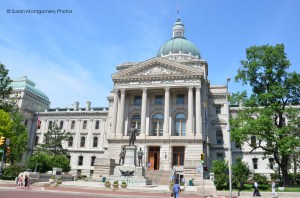
DSC_3133 copy

Not something I would do on a family trip, but being by myself I could afford to do so. 

– Check the edges of the photo  – Sometimes I’d think I have a great shot but there was something in the edges of the photos that would have ruined it. Just moving a bit to one side or the other, or kneeling, would remove it.

Get farther  – When I shot the “perfect” shot I would shoot one more with a little less magnification, for a bit more flexibility when editing/cropping.

Get closer – I tried to avoid taking the standard tourist shot, still working on that one.

– Think of what photos you haven’t taken – Sometimes I’d think I was done then realize there were other looks, other angles, vertical vs. horizontal, tried to push myself to come up with better views.

– Be open to serendipity – I noticed some donation boxes to feed the homeless, so I shot some photos of it and people walking past it. Also realized that there are rental bikes available in Indianapolis, and my photos of those in Chicago are fairly popular, so I shot some of those too.  Walk around with an open mind.
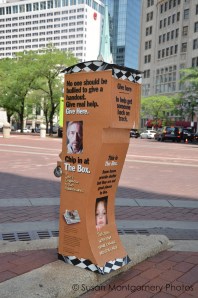
DSC_3150

– Go for the iconic shot – I tried to think of an iconic image, not only the natural tourist shot. Still working on those.

– Take pictures of any descriptive plaques – Often public locations have a plaque describing it. I always grab a quick photo of it, for interesting information I’ll use for the photo description.

What other suggestions would you have for someone taking some stock location photos with limited time? I invite you to share your tips in the comments.

I’m going to edit, crop, and generally clean up the final photos and submit them, wish me luck. Search my Shutterstock site for Indianapolis soon to see how I did…

From DPS – Learning about ISO, shutter speed, aperture, aka the Exposure Triangle

I mentioned Digital Photography School as an excellent resource for tutorials. They recently celebrated their 8th anniversary and posted their 15 most popular tutorials.

Three of these are some great tutorials about ISO, shutter speed, and aperture, which are the three settings that determine how sensitive the camera is to light (ISO), how long your shutter is open to allow light in (shutter speed), and how big an opening you have for that light to come in through (aperture, which affects how much of your photo is in focus). I encourage you to check them out:

ISO settings in digital photography

Introduction to Shutter Speed in Digital Photography

Introduction to Aperture in Digital Photography

Then let me know what you think in the comments!

Susan

Macro shots make it into Shutterstock

Uploaded many photos to Shutterstock over the week-end. I was delighted that my two favorite photos from Mike Moats Macro Bootcamp just got accepted by Shutterstock! Workshop participants will recognize these props:

Peacock Feather
Peacock feather Shutterstock

Watch Parts
Watch parts Shutterstock

You can see my review of the workshop here.

Thanks for the lessons, the guidance, and the confidence, Mike!

Need Help with your Macro or Business? Get Mike Moats’ e-books

For those who can’t attend Mike Moats’ wonderful workshop, here are some e-books you might want to get.

Mike Moats's avatarMike Moats

Daily Macro View

____________________________________________________________________

Need help improving your macro skills, or looking to make a little money with your photography, check out my e-books.

Creating Art With Macro – $14.95 click here

70 Tips for Making Money as a Nature Photographer – $4.99 click here

___________________________________________________________________

View original post

My workflow for editorial photos of classic car shows

Just submitted some editorial photos of some classic cars to Shutterstock, thought I’d share my workflow. You can see my classic car show photos here.

Taking the photograph is of course the most important part. For classic car show photos, such as this one from last summer’s Woodward Dream Cruise:

Woodward Cruise 2013

I can easily spend 15 minutes waiting for the crowds to thin out so you can see the car itself, yet have enough people in front of it for personal interest. Funny thing is that people in the midwest are really nice so they are all trying to get out of your way so you can get the car shot, so I have to explain that I want the crowd shot…

Luckily I also like to take non-stock close up of classic car details like this one:

03 2012 Cruise 1960 Corvette side copyright

so I balance my time with those.

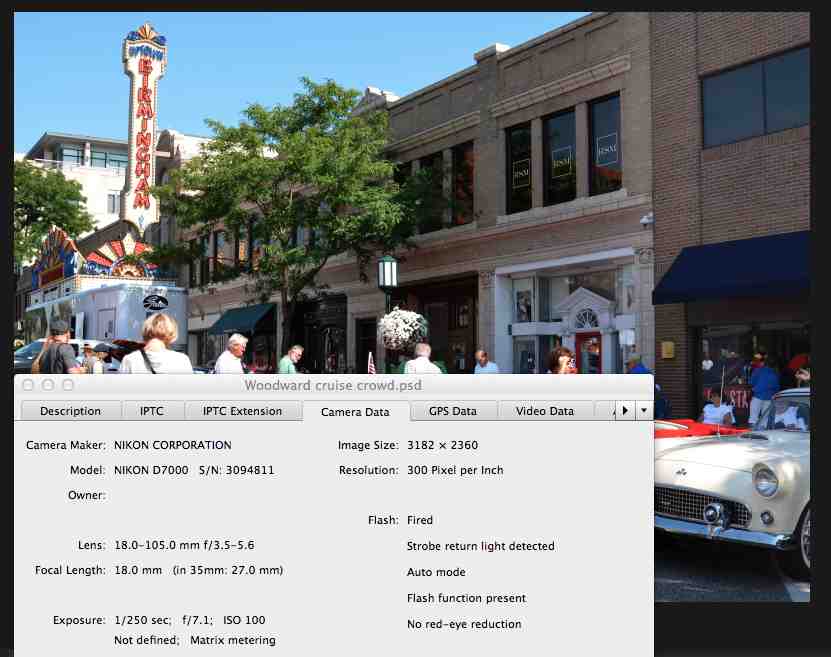
You are hoping for a nice day but not too sunny that it gives you harsh shadows, as I had in this photo… In taking the photo you see I have an ISO of 100 because it was a nice sunny day, and a shutter speed of 1/125 to aim for that focus at 100% magnification:

Woodward cruise info of shot

I tend to pick the shutter speed I want then adjust the exposure correction as needed if I go into shadowy areas, to get as much of the histogram covered (don’t worry if this doesn’t make sense right now).

In Photoshop I create a duplicate layer (command-J), then crop it to show the street details but keep the focus on the cars:

Woodward cruise crop

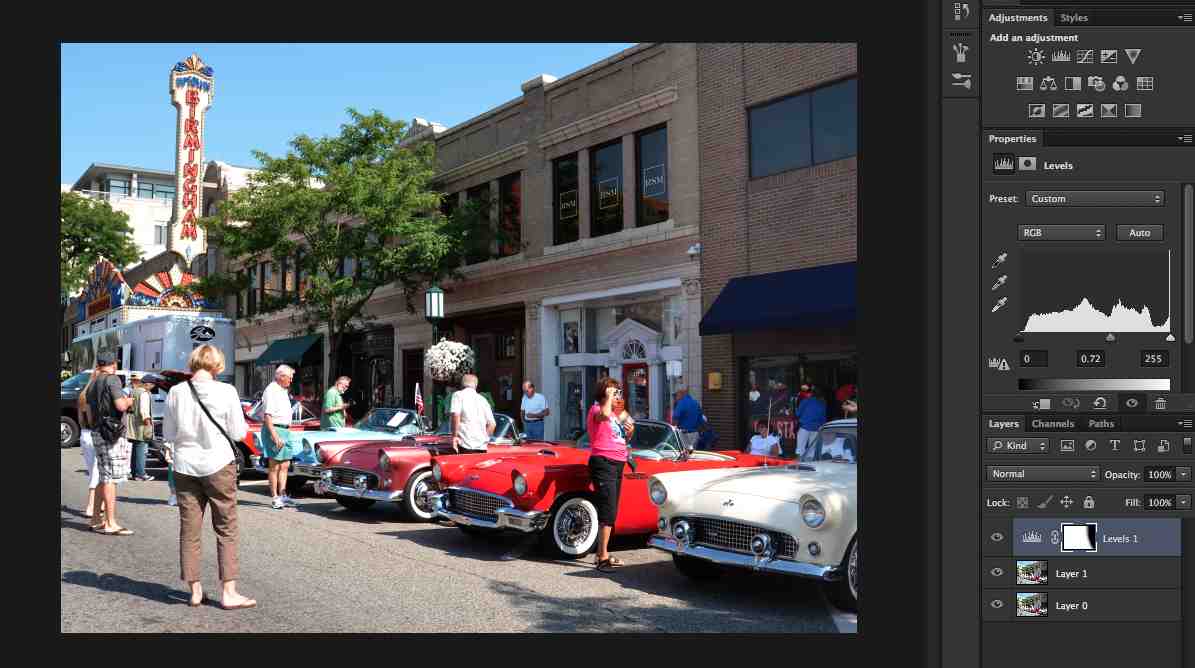
I then look at the histogram. If I have to, which I didn’t here because I had usually play with exposure when I’m taking the photo to make sure I have a good histogram in the first place, I might have to play with the edge levers to but them up to the edge of the histogram so it expands the histogram to give you the full range. Then I play with the lever in the middle to give the photo some “pop”, but you can see that would make the shadow on the right very harsh, so I “masked” the layer on the right side just by drawing on it with black pen (with maybe 10% hardness so it blends easily and shows no sharp edges) on that right side. You can see in the layer description on the bottom right, labeled “Levels 1” how it shows a screen that is all white except for that black in the right area, where I “masked” it:

Woodward cruise histogram

Woodward cruise histogram close-up

OK, now the photo is all set, it’s time to enter the photo information. I access the “file info” from the “file” menu and enter a title, editorial headline description, keywords, and copyright information:

Woodward cruise file info

I save the file as a PSD file, then save a copy as a JPEG file, and that’s the file I submit to Shutterstock.

Hope this helped you get a sense of what to do. Questions? Ask me in the comments section.

Becoming a small business person

So I had been going along making some money with my photography hobby, then a bit more, enough to buy new equipment, and of course I was paying taxes on that money, but was not keeping track of expenses. I also decided to put in a proposal for the gifts of art program at UM, which if accepted, would allow me to sell my framed photographs, which means charging state taxes, and I need to be a business owner to charge taxes… you see it was starting to get big.

So, time to become a small business. I looked around the internet researching different business options and decided that since I don’t intend to shoot weddings or other such situations that might end up with me being sued, and I’m not planning to have employees, I didn’t think I needed to become incorporated. Instead I went with the “sole proprietorship” model, which in Michigan is sometimes also referred to as DBA, or “doing business as,” such as me doing business as Susan Montgomery Photos.

So time to keep the money separate. I checked my local credit union’s website about opening up a business account, and found out that I had to bring a “Certificate of Assumed Name or Doing Business As Certificate.” A bit of research in the State of Michigan website and I downloaded the form, got the notary public signature, filed at my county courthouse, back to the credit union, and voila, I have a business account, with checks and a debit card, and I started a Paypal account in my business name. Small business person me, who’d a thunk it.

One of my big points here is that I didn’t know anything about this when I started. I just took it one step at a time, learned what I had to learn, checked with some friends to make sure I wasn’t making any terrible mistakes, and I keep learning. Don’t be intimidated. There is a lot of knowledge out there, seek it out as you need it. As my neighbor Linda says about running 5k’s, “It’s just taking one step after another.” If I can do it, so can you – really!

Disclaimer: I am merely sharing my experience here, I have no legal expertise, so please do your own research to determine which options works best for you.

Review – Mike Moats Macro Bootcamp

I recently attended Mike Moats Macro Bootcamp.

It was everything I hoped it would be. A tell-it-like-it-is description of how he takes his wonderful photographs, to the level of detail that you can do it yourself. He covered lenses, accessories, camera details, the keys to flower and critter photographs, what buyers want, taking photographs at a botanical garden, elements of design and composition, finding character in nature, his workflow, including demos of how he uses software to clean up his photos, fun ideas for photography, and many many more.

He has lots of opportunities for you to try out his tips, with plenty of things to take photos of. He walks around and gives you advice, suggestions, and lots of encouragement. Overall a very positive experience.

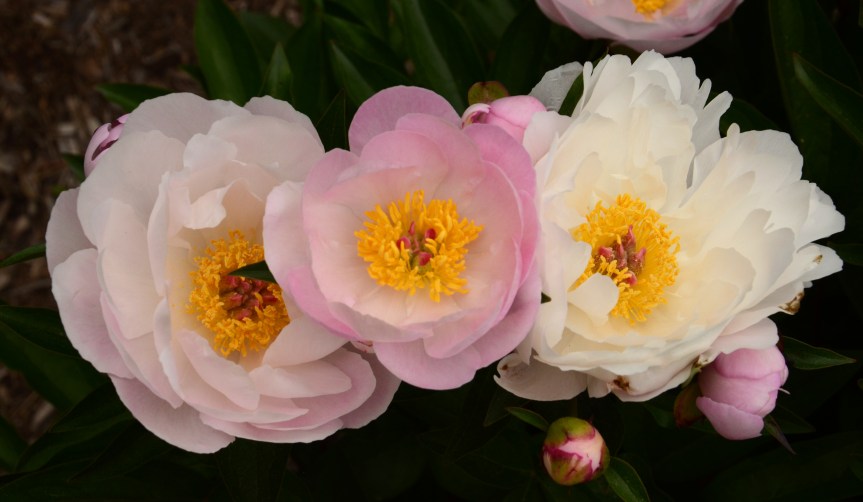
I can already tell the difference when I’m looking for that photo to take, such as at the Matthaei Botanical Gardens earlier this week:

Matthaei peonies pink between whites

You can follow his blog to learn more about this amazing and amazingly generous photographer.

From the beginning…

So in this section I intend to chart my continued adventures into photography. I’m starting with this post that will bring you up to date as to how I got here. You can see my suggestions in Getting Started in Stock Photography, but this is more of the personal story.

I took some photographs when I was in school, fancied myself a good photographer, submitted them to a local contest, and when I didn’t place I decided I had been wrong and should just give up. So much for my confidence in my abilities!

Flash forward 15 years later and I was that mom that took photos of everything their kids were doing, and folks would ask me to take photos of their kids and send them copies. Before a family trip to Yellowstone in 2008 my kids encouraged me to get a DSLR camera, saying it would be a shame to take a little point and shoot when I took such good photographs, so I purchased a Nikon D40, which seemed an extravagant purchase at the time. Thanks for the support, guys!

Little by little I learned how to use some of the features of my camera. I like the approach I read about in an article once. Just go along until you find that you are frustrated about some issue with your photograph, then look up that issue online and figure out what camera feature will help you fix it, and learn that feature, and so on as you demand more of your photos. That philosophy kept me from becoming overwhelmed and losing confidence. Six years later I know about ISOs, apertures, white balances, etc. It wasn’t the fastest path there, but it has served me well. I also took some online courses, and get lessons through other means, as you can see in Resources for Better Photographs.

In 2009 I took a shot at getting into Shutterstock to help me improve my photos, and with a mind to take photography beyond a hobby. In Stock Photo Submission and Tutorial you can see my progression to the current 13 stock photo sites, though most of my stock photo income comes from Shutterstock, iStockphoto and Dreamstime.

At some point Shutterstock started requiring 4 MegaPixel photos and the D40 was a 6 MegaPixel camera, meaning that I couldn’t crop very much of the photo before it wasn’t eligible, so I was ready to move on to the next camera, my current D7000, which I bought from my local camera shop, Huron Camera in Dexter, MI. The folks there have been very patient and helpful, so I try to buy big items there to help ensure they stay in business.

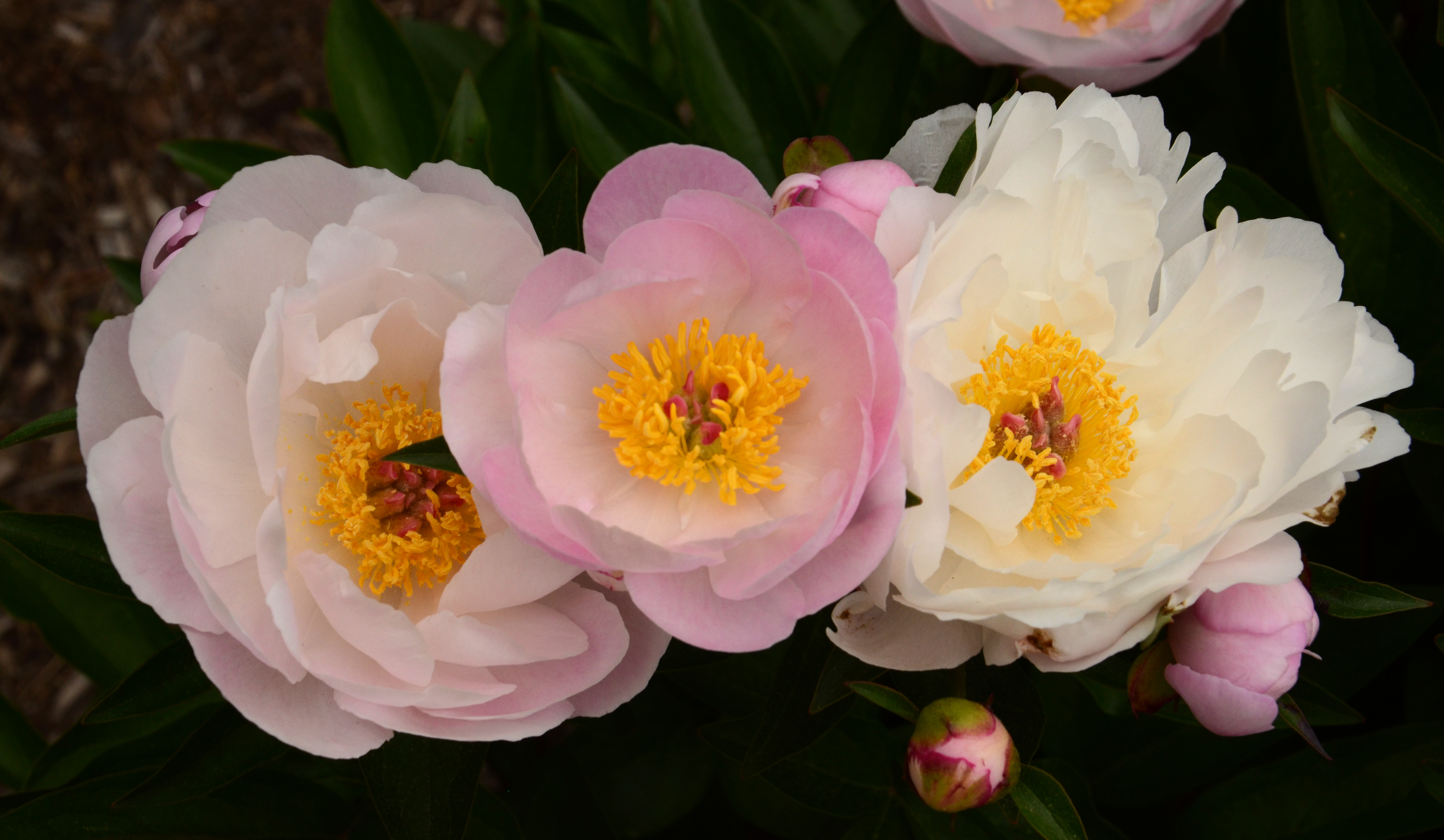
I recently attended Mike Moats Macro Bootcamp which was tremendous, I learned so much in those three days, I’ve already seen an improvement in my photos:

Matthaei peonies pink between whites

One of my passions is car details

06 2013 Cruise 1957 Chevy flames

I recently submitted a proposal to the University of Michigan Hospital’s Gift of Arts program based on these car details, so we’ll see how that goes.

OK, that pretty much brings you up to speed. I plan to keep regular posts from now on updating my progress.

Best wishes in your own adventures,

Susan