Preparing editorial photos

Many of the photos I take are editorial photos, which can be used for non-commercial purposes, such as for articles in magazines. The nice thing about editorial photos is that you don’t need a model release. I also have dreams of being a photojournalist, so this allows me to indulge that passion.

Some of my editorial photos are about events that happen around my hometown of Ann Arbor Michigan, such as car show photo that ended up in Fodor’s, much to my delight!

My photo in Fodor's

But sometimes I’ll take a shot of something I think might come up in articles, such as the Veteran’s hospital, which has ended up in some articles.

VA hospital photo in article
It took me a couple years to get that photo, to get just the right angle, on a nice sunny spring day for the blue sky background and with the flowers blooming….

The same rules of photography apply here, but you also have to be careful not to stage anything, and not to edit it in a way that changes the reality of what happened. Then you have to write a caption. I typically follow Shutterstock’s rules for editorial captions – they work for just about all the websites I’m on except iStockphotos, who don’t like the all capital letters.

Where do you put that caption? If you have a photo editing program you can access your photo’s information and put it in the description, along with your keywords, title, etc. That way all the information will load up automatically when you submit your photo into the stock photo website. But it that feels intimidating right now you can add it at the stock photo website after you upload your photo.

Review – Digital Photography School

I signed up for Digital Photography School’s tips and tutorials‘s RSS feed and I love getting their tips every day. Sometimes they might not be about something I’m interested in, like HDR, but more often than not I learn something from each, and on days that I don’t have time to focus on photography I appreciate staying connected to photography through their posts.

I would suggest if you’re just getting started you take a look at their Digital Photography Tips for Beginners for quick introductions to exposure, shutter speed, ISO and apertures.

… then take it from there – you could spend hours (and I have…) reading their non-ending set of tutorials with many excellent suggestions, and if you sign up for their RSS feed the tips will just keep coming – or maybe Pinterest or another means is more to your liking…

Review – Lynda.com photography and Photoshop courses

I find lynda.com courses tremendous resources to learn Photoshop and improve my photography. It costs $25/month, so I just subscribe for a couple months each summer, when I have more time to devote to it. Courses I’ve taken the past four summers include:

Shooting with the Nikon D7000 – Ben Long is just the best at patiently walking you through every single button in your camera to teach you how to get the most out of your camera. I started with a Nikon D40, a 6MP camera, and after I got more serious about stock photography moved up to the D7000 to have a 16MP pixel camera, so I could have more flexibility with my photos, knowing I could crop them and still have photos large enough to be accepted into stock photo sites.

Foundations of photography: Composition – Ben Long does a great job of teaching everything you need to know about composition – perspective, symmetry, rule of thirds, photographing people, landscapes, with terrific examples and assignments.

Foundations of photography: Exposure – Ben Long again, teaching you about the effect of shutter speed, f-stops, aperture, light balance, in an easy to understand style.

Photoshop Top 40 – Deke McClelland starts you off with a great set of essential tools within Photoshop. I go back to it as a refresher.

Photoshop CS4: Image Adjustments in Depth – After taking a Photoshop CS4 workshop, this more in-depth set of sessions from Jan Kabili takes you to the next level with easy to understand tutorials.

Photoshop CS6 Essential Training – A very detailed introduction to CS6 by Julieanne Kost, teaches you about layers, masks, retouching, filters – lots to learn here. I’ll probably refresh my memory with this class this summer.

I have not been disappointed in any of Lynda.com’s offerings. They have knowledgeable, easy to understand, patient instructors that are a pleasure to learn from.

Review – Shutterstock forums

One way I learned what made for a successful stock photo was to read many year’s worth of Shutterstock critique forums. I just read one after another after another and found a generous community of photographers who will give you suggestions about how to improve your photos to get accepted into photography sites. At first the photos the newbies posted looked all right to me, but after a few hundred posts I could look at the photo and predict what the respondents were going to say – that’s when I knew I was ready to submit my photos!

You can see a great example of a photographer who at first was not accepted, then sought advice from the forum, and after acting on their suggestions got in here.

Laurin Rinder and David Smith are particularly helpful, and I got my model and property release templates from Laurin.

Go take a look, you’ll learn a lot!

What makes for a good stock photo?

So you have been taking photographs for a while and thinking you’ll try stock photography. Now you have to think like a stock photography buyer and their needs are. Just because it’s a nice photographs doesn’t mean you’ll get accepted into stock photography sites. A good friend of mine is an amazing photographer, but the photos he takes are not ones that sell. So what sells?

Think good quality photos. See Resources for Better Photographs for ideas on how to improve your photography.

Think commercially. Photos of flowers and animals abound on stock photo sites, but those that sell are unique, such as my orca whale, shot on vacation in Vancouver:

Orca near Vancouver, BC
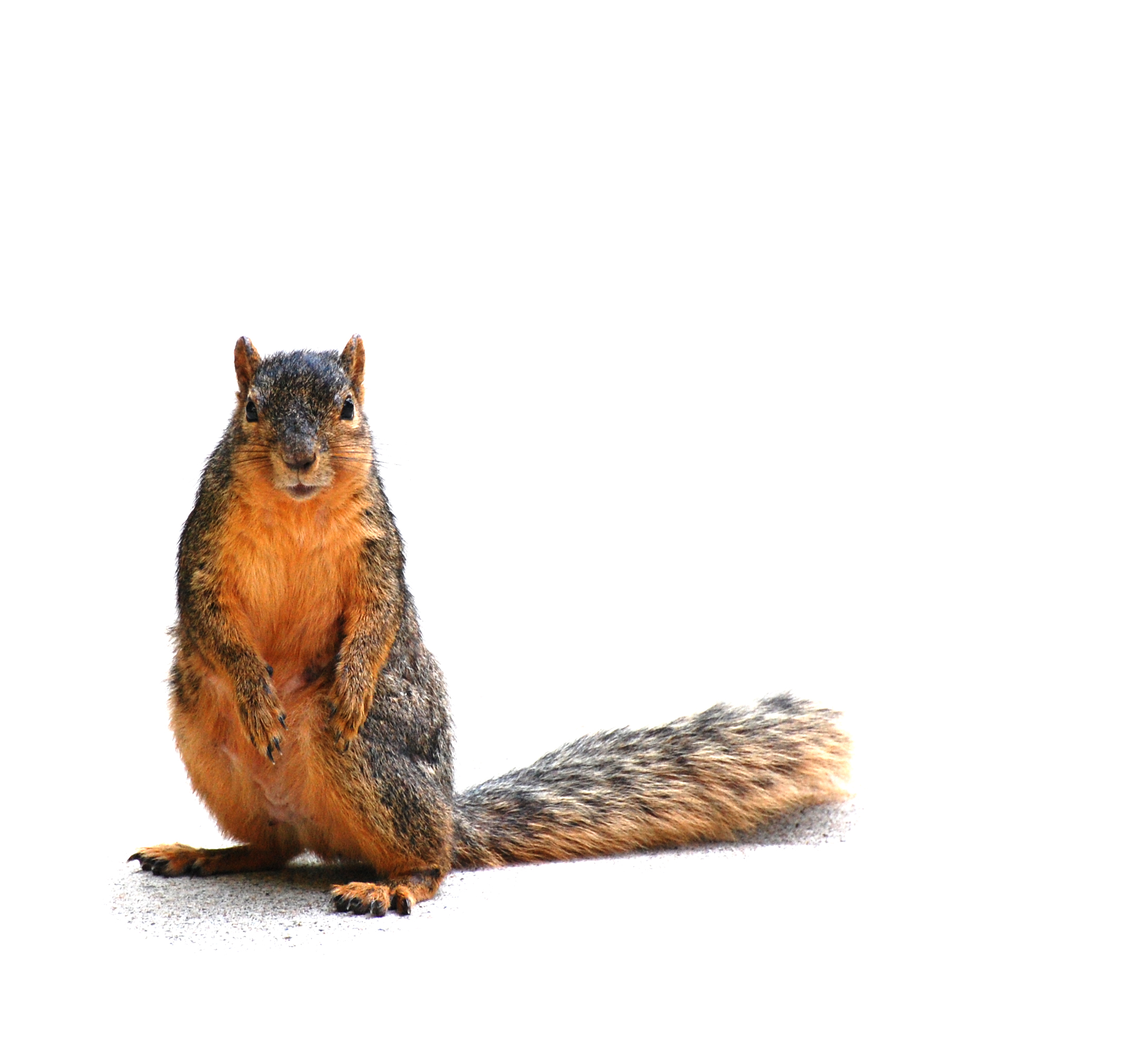
or very clean shot of unique poses, like my best selling squirrel shot.

Squirrel staring at you, on white with shadow

That one took me over an hour at the University of Michigan diag to get, total serendipity, curious squirrel on a sidewalk, and then another hour to clean it up…

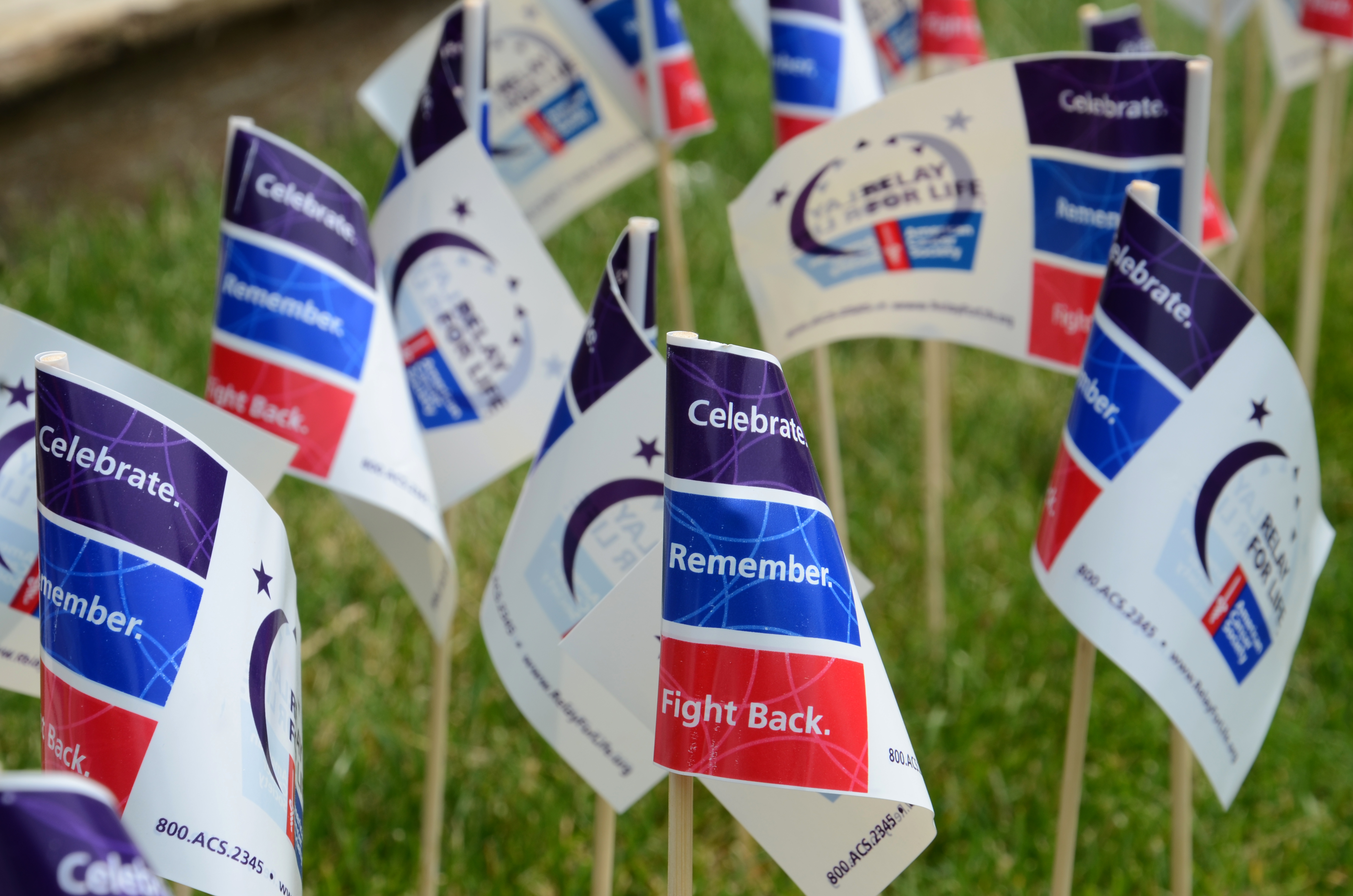
Think in terms of impact and iconic photos. I shot lots of photographs at a Relay for Life event, but you can see that the most popular ones are the close-ups of the flags, which have the most visual impact:

ANN ARBOR, MI - JUNE 22: at the  Relay for Life of Ann Arbor event on June 22, 2013 in Ann Arbor, MI.

See the Stock Photo Sightings category for more examples.

Think clean photos, without distracting backgrounds. Really look around all the edges of the photos to make sure nothing is taking the viewer away from the key message. Take another squirrel photo that sells quite well:

squirrel eating peanut

Nothing but squirrel and grass there. I even cleaned up the grass in Photoshop to make sure nothing took the viewer away from squirrel.

Think totally white background. Users of your non-editorial photos likely will want to use them in their own settings, so you need to provide them “isolated” photos, with just the object in a totally white background. You can get a quick idea of how to clean up your photos to get that background here.

Plaid gift box

Think perfect focus. People buying stock photographs might end up blowing them up a lot, so photos have to be in focus at 100% magnification. I wrote some suggestions to achieve that perfect focus here.

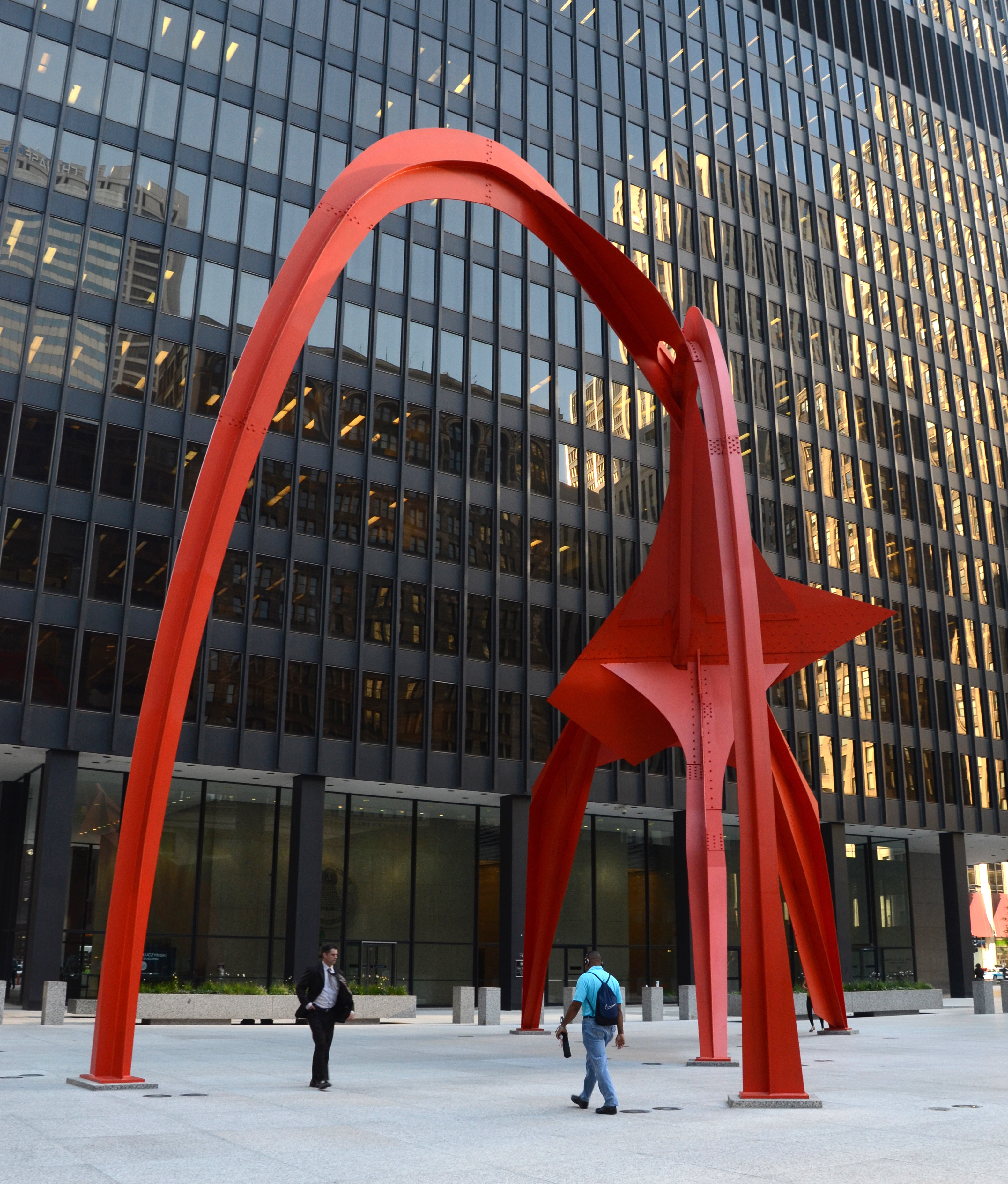
Realize it takes a lot of time to get the right photo. Take the Flamingo sculpture in Chicago:

Flamingo sculpture in Chicago

It took me over an hour and over 50 shots to get this one photo. I moved around and tried various angles to get just the right view of the sculpture, waited for enough people to be walking under it to give it a sense of proportion, yet with no one distracting from the shot. Or my best-selling Ann Arbor Art Fair photo:

Ann Arbor's South University Art Fair 2011

I stood at that spot for over 20 minutes looking for just the right shot – enough people to fill the shot, nothing distracting from the main theme, a nice couple holding hands enjoying the day…

Lots to think about, but it will come naturally soon enough. Keep in mind the saying “don’t take the shot, make the shot!”

Starter sites about stock photography to get the ball rolling

Are people telling you they like your photos and you think you might want to sell them? Consider stock photography, it’s been a fun hobby for me that slowly became more of a business for me. Check these great websites to get a general idea of how to get started:

Digital Photography School’s Shooting for Stock Photography Sites

WikiHow’s Shoot Stock Photography page

WikiHow’s Sell Stock Photography page

Lightstalking Stock Photography page

SellingGraphics.com 10 Tips How to Get Accepted by Shutterstock

Check these websites, and if you’re ready to go, read the next entries for more details of my path and how you too can become a stock photographer, and don’t intimidated. It was a very long process for me, starting in 2008, just take it one small step at a time, conquer each step as you go, don’t feel you have to know how to do everything right away. I knew close to nothing about photography and certainly nothing about stock photography when I started, so you can do it too.

Best wishes with your own adventures.

Definition of stock photography

When I tell people I am a stock photographer they usually don’t know what that means, so here’s what I tell them. When you read an article in a magazine or on the web, there is usually an accompanying photo – that photo was likely purchased from a stock photo website, such as my Shutterstock site, and photographers such as myself provide photos to the website, and get a cut when our photo is purchased.

So photos on articles are primarily editorial photos. Stock photos are also bought for commercial purposes, for use in greeting cards, billboards, within books, for t-shirts, or anything else. You can see some of the places my photos end up at Sightings of my stock photos.

Alright, you get the idea. As a stock photographer you sell people the right to use your photograph either for editorial use or for commercial purposes. Read the upcoming entries for more information on how to get started with stock photography. Then give it a shot yourself!